Where fire, water, and fjord history meet
At Hvammsvik, every soak is tied to deep volcanic forces, old farm landscapes, and a coastline that has shaped daily life for generations.
Table of Contents
How Iceland created geothermal bathing
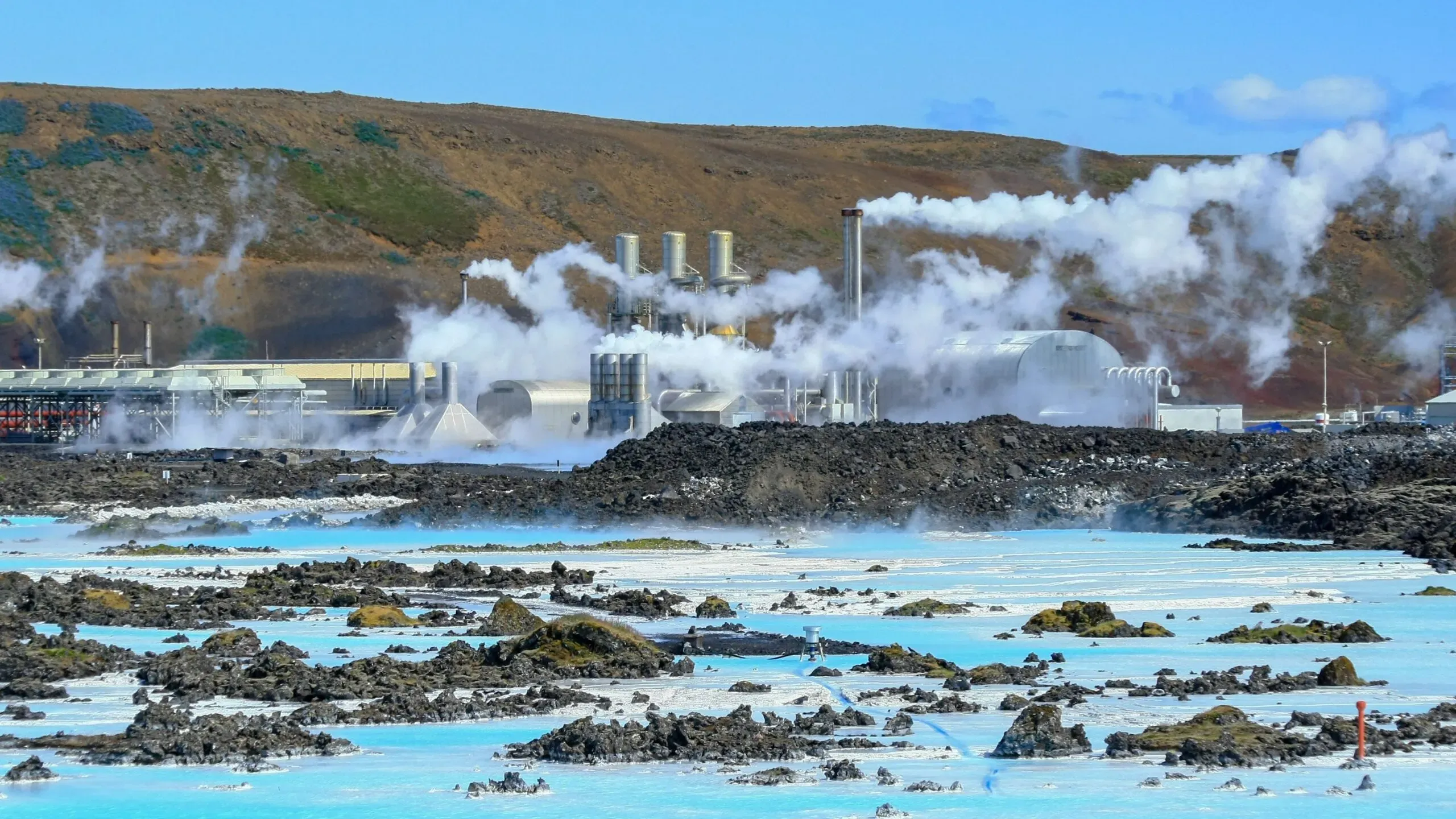
Long before Hvammsvik became a well-known destination, the story began deep beneath Iceland itself. The island sits on an active volcanic boundary where tectonic plates move apart, allowing heat from the earth interior to rise unusually close to the surface. That geothermal energy travels through rock layers and groundwater systems, eventually emerging as warm springs, steam fields, and naturally heated pools in different parts of the country. For centuries, Icelanders learned to read these thermal signs in the landscape, using hot water not only for comfort, but for washing, cooking, and community routines in places where winter could be harsh and daylight scarce.
In that sense, bathing in geothermal water in Iceland has never been only about luxury. It has always combined practicality, social connection, and survival in a demanding climate. Hvammsvik belongs to this larger geological and cultural timeline: a place where ancient volcanic forces still shape modern everyday experiences. When visitors step into the pools today, they are entering water warmed by processes measured not in years or decades, but in deep earth time, where natural systems quietly continue their work beneath mountains and fjord.
Hvalfjordur: the fjord setting of Hvammsvik
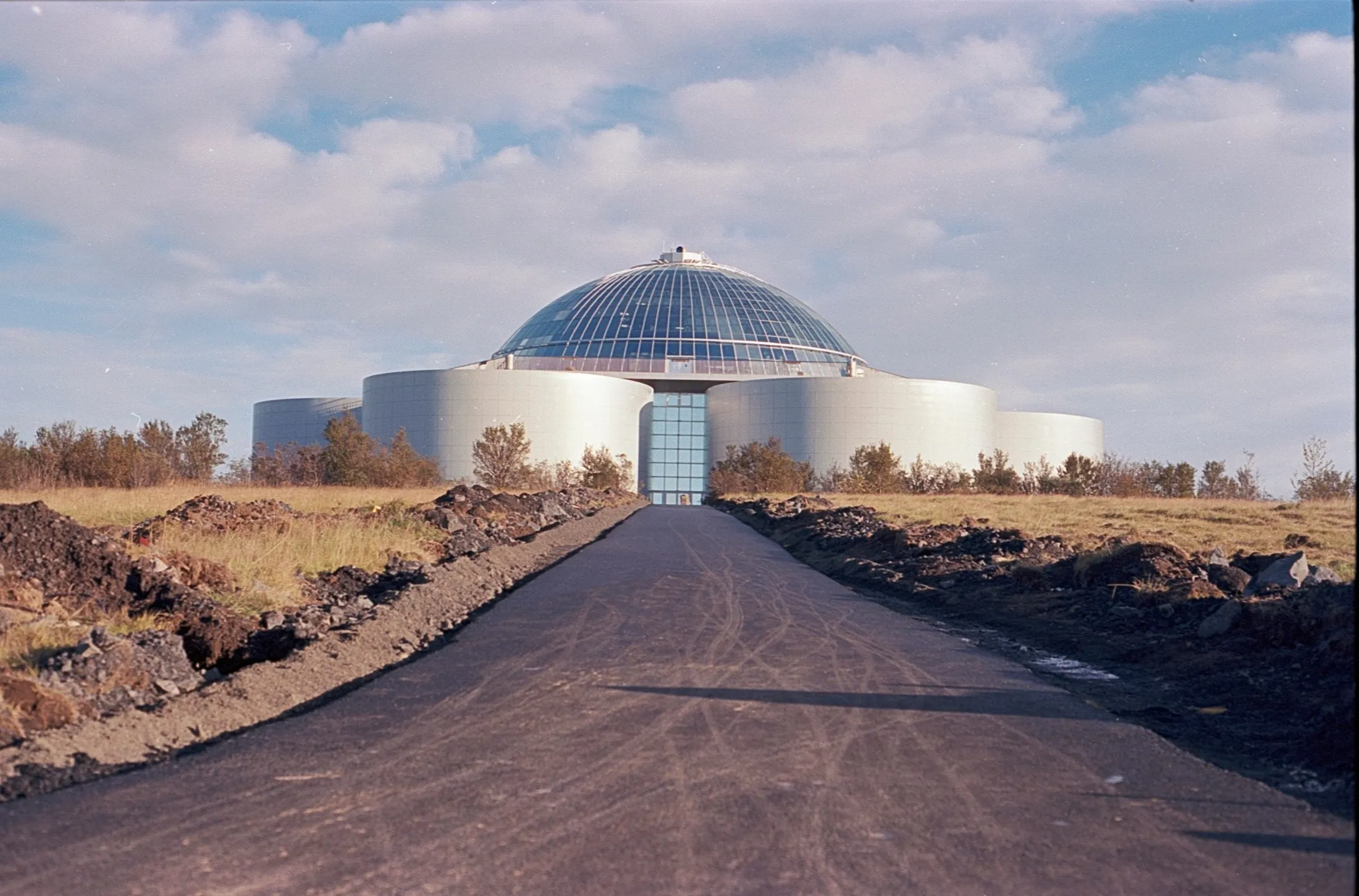
Hvammsvik sits in Hvalfjordur, a dramatic inlet whose name is often translated as Whale Fjord. The area carries a striking blend of steep mountain walls, coastal flats, and weather that can shift from bright stillness to mist and wind within a short span of time. Historically, fjords like this shaped travel routes, fishing patterns, and settlement choices, because they offered sheltered waters, access points, and fertile pockets for farms compared with harsher inland zones.
Today, Hvalfjordur still feels both accessible and remote, which is a big part of Hvammsvik appeal. You are close enough to Reykjavik for a day visit, yet once you arrive, the mood changes quickly into something quieter and more elemental. The surrounding topography acts almost like a natural amphitheater for weather, light, and sound, so every visit feels distinct. On some days the horizon opens in crisp detail; on others the fjord softens into layered gray tones that make the warm pools feel even more intimate.
Farm life, shoreline routines, and early settlement
Before geothermal bathing became a travel highlight, this coastline was shaped by ordinary work: seasonal farming, shoreline gathering, fishing, and careful management of resources through long winters. Early Icelandic settlement patterns often followed practical logic, and areas with access to fresh water, grazing land, and sheltered coastal terrain had obvious advantages. Families built routines around weather windows, tides, and communal labor, and local knowledge was passed down through observation rather than formal instruction.
That practical relationship with land and water still echoes at Hvammsvik, even in a contemporary setting. The paths, structures, and bathing areas are modern in function, but the wider environment still communicates the same old lesson: in Iceland, nature sets the terms, and people adapt with respect and ingenuity. Visitors who slow down and look beyond the pools often sense this continuity between past and present, where heritage is not displayed as a museum exhibit, but embedded in the terrain itself.
The cultural meaning of hot-water bathing
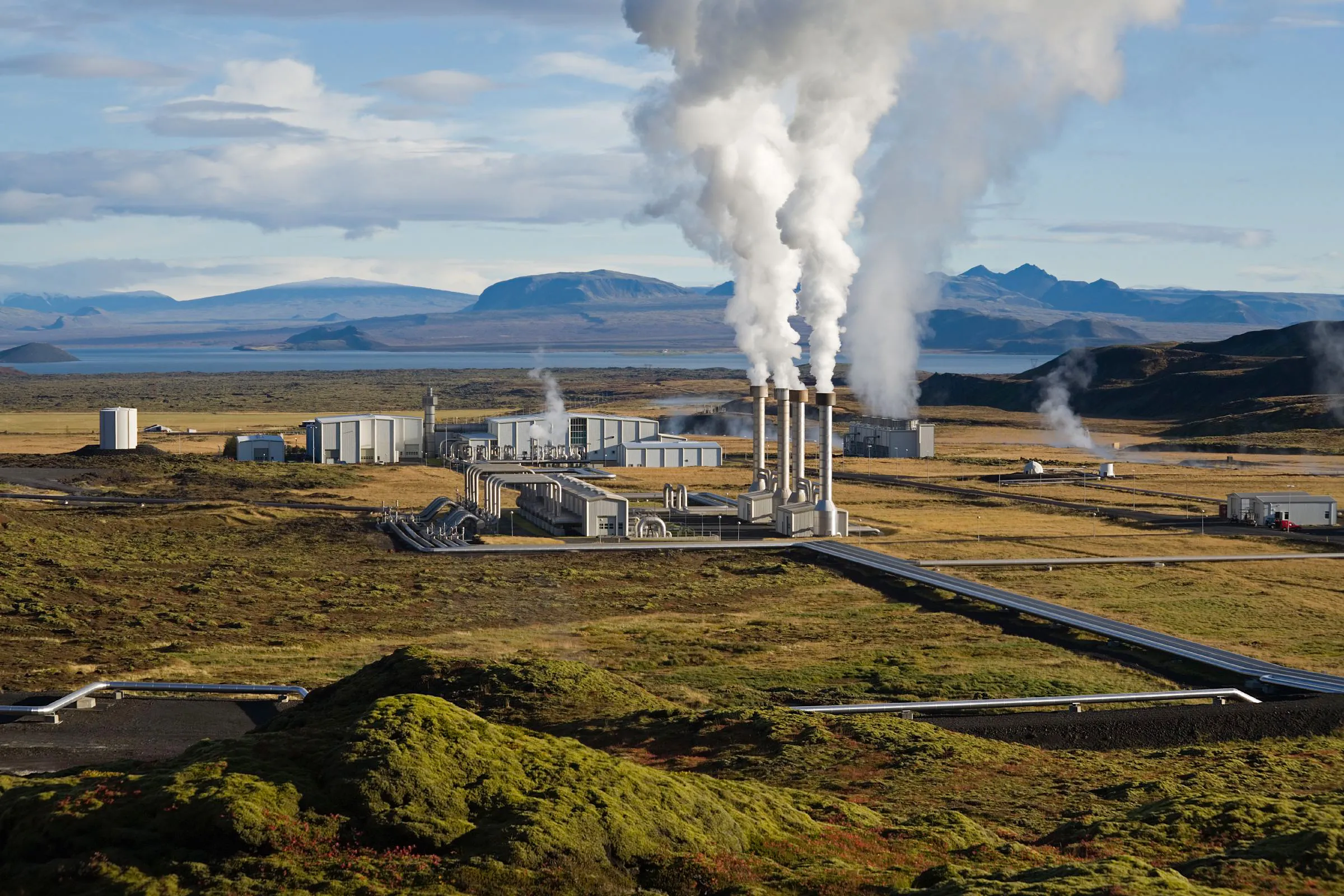
Geothermal bathing in Iceland has long held social value beyond physical warmth. Pools and hot pots became places to exchange news, discuss local issues, and spend time across generations. In many communities, conversations that felt formal in other settings became easier in warm water, where everyone sat at the same level and daily hierarchy softened. This tradition helped turn bathing spaces into informal civic rooms, where community bonds were maintained through routine presence rather than scheduled events.
Hvammsvik expresses a contemporary version of that tradition. Even when visitors come from different countries and itineraries, they often settle into the same unspoken rhythm: quieter voices, longer pauses, and a shared appreciation for the environment. The experience can feel personal and reflective, but also gently communal. You might arrive focused on photography or itinerary efficiency and leave remembering a simple exchange with strangers in steam and sea air, the kind of small human moment Icelandic bathing culture has encouraged for generations.
From hidden site to curated destination
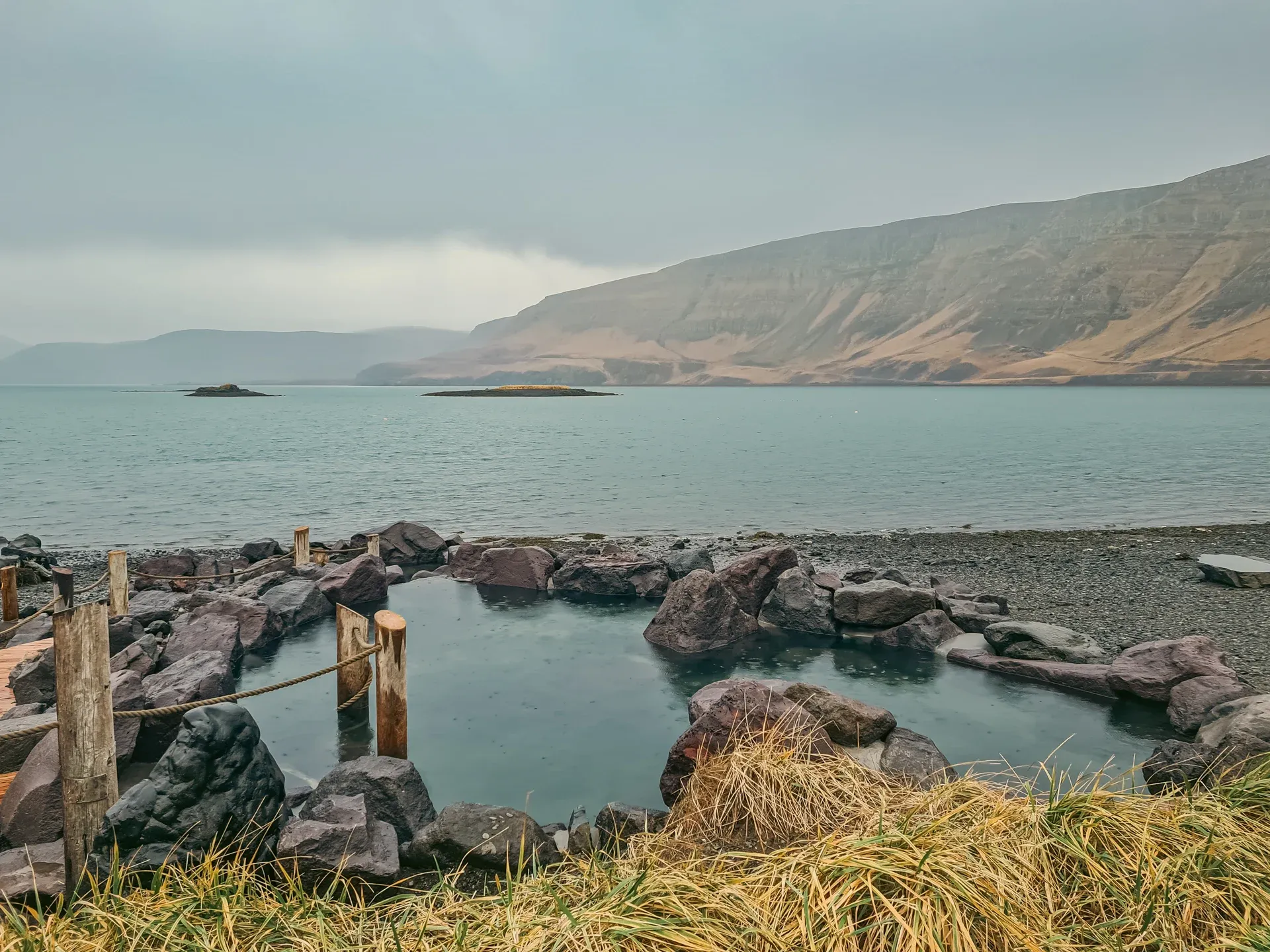
Like many remarkable places in Iceland, Hvammsvik was not always known internationally. For years, much of the appreciation for the area remained local or limited to those who explored the fjord with curiosity and good timing. As interest in Iceland travel expanded, so did the challenge of opening unique sites in a way that preserved character rather than replacing it with generic infrastructure. The transformation into a visitor-ready destination required careful decisions about access, facilities, and capacity.
What makes Hvammsvik notable is that its development aimed to keep the landscape as protagonist. Instead of forcing a heavily urban spa aesthetic into a wild coastal setting, the design leans into materials, pathways, and pool placement that echo the terrain. This approach does not eliminate all modern intervention, of course, but it does create a stronger sense that you are entering a place with its own identity rather than a template copied from elsewhere. That balance is a key reason many guests describe the site as both polished and authentic.
Designing pools with the landscape, not against it
At Hvammsvik, pool design is part of storytelling. Water temperatures vary across the site, and transitions between pools are intentional, encouraging movement, sensory contrast, and attention to the surrounding fjord. The physical layout supports different moods, from social corners to quieter edges where guests can sit almost motionless and watch weather patterns roll across the water. This diversity helps each visitor compose a personal sequence rather than follow a single prescribed route.
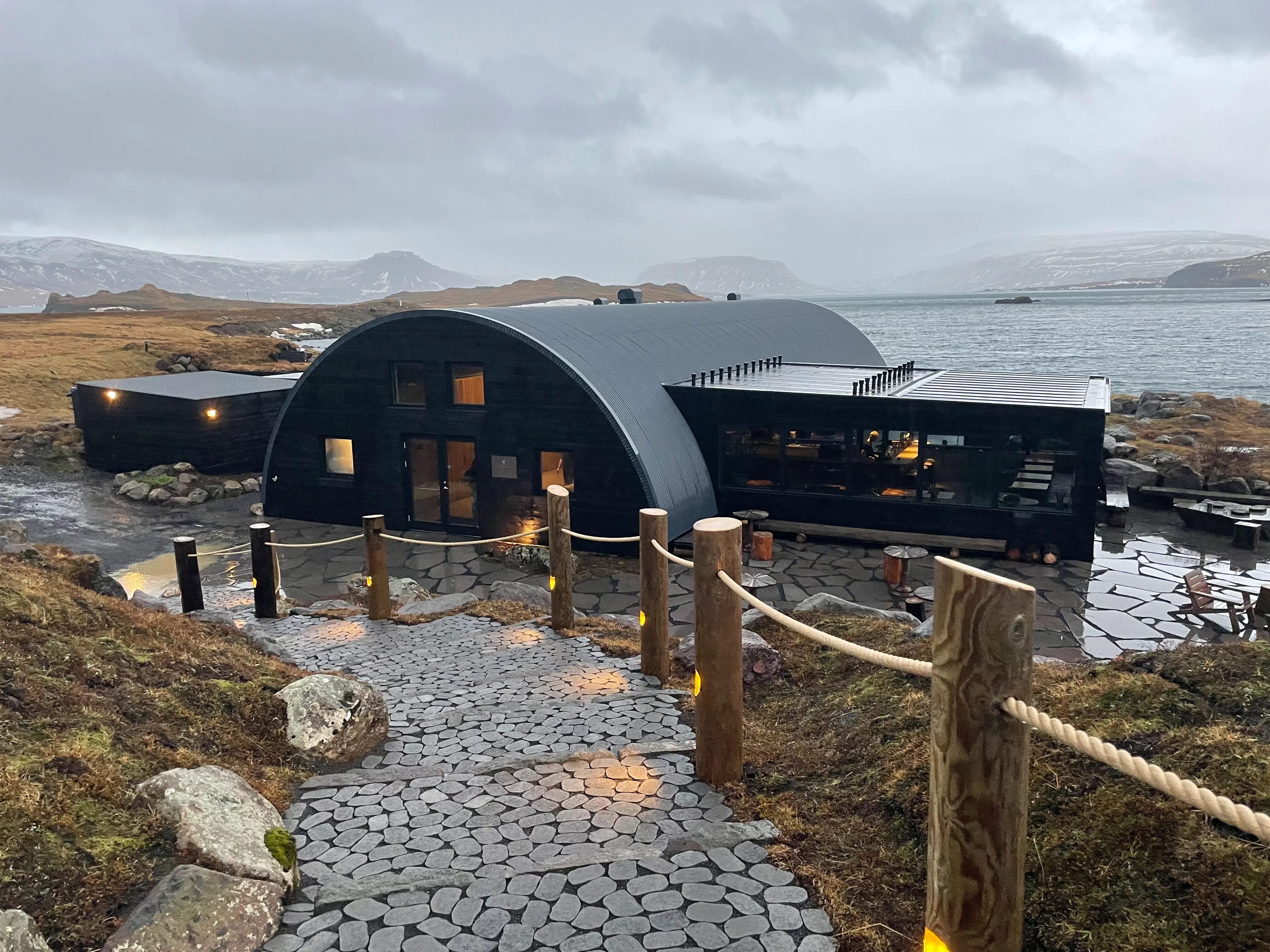
Architecturally, the most successful moments are often the least flashy: low-profile forms, textures that sit naturally in the terrain, and sightlines that prioritize mountains and sea over decorative spectacle. In practical terms, this also means coping with real outdoor conditions, including rain, wind, and temperature swings. The design does not try to erase Iceland climate; it frames it. As a result, even a short visit can feel immersive, because the environment is not background decoration but an active part of the experience.
Tides, weather, and ever-changing bathing conditions
One of Hvammsvik most distinctive characteristics is variability. Because the site is connected to a coastal environment, conditions can feel different from one session to the next. Temperature perception, steam intensity, and atmosphere are shaped by factors like wind direction, air temperature, humidity, and tidal movement nearby. For visitors used to static indoor spas, this dynamic quality can be surprising at first, then deeply compelling.
This constant change is not a flaw; it is part of the destination identity. Returning visitors often say no two visits feel exactly the same, even when they choose the same time slot. A calm bright evening might highlight fjord reflections and long lines of light, while a colder moody day amplifies contrast between warm water and brisk air. In both cases, the experience remains rooted in one core idea: geothermal bathing as a living interaction with nature rather than a controlled simulation of it.
Wellness traditions and modern Nordic spa culture
In recent decades, global interest in Nordic wellness has grown quickly, and Iceland geothermal culture has become a central reference point. Yet Icelandic bathing traditions predate modern wellness branding by a long margin. Historically, hot water meant resilience, hygiene, and community continuity through dark and cold seasons. What modern travelers now call mindfulness, contrast therapy, or digital detox often overlaps with habits Icelanders built out of practicality and place-based knowledge.
Hvammsvik connects these layers elegantly. You can approach it as a premium wellness stop, a landscape-focused excursion, or a restorative pause in a road-trip itinerary, and all those interpretations fit. The experience supports slow attention: to breath, temperature, light, and body sensation. For many guests, the most meaningful effect is not dramatic but cumulative, a gradual unwinding that continues after departure and subtly changes the tempo of the rest of their Iceland journey.
Nature stewardship and responsible visitation
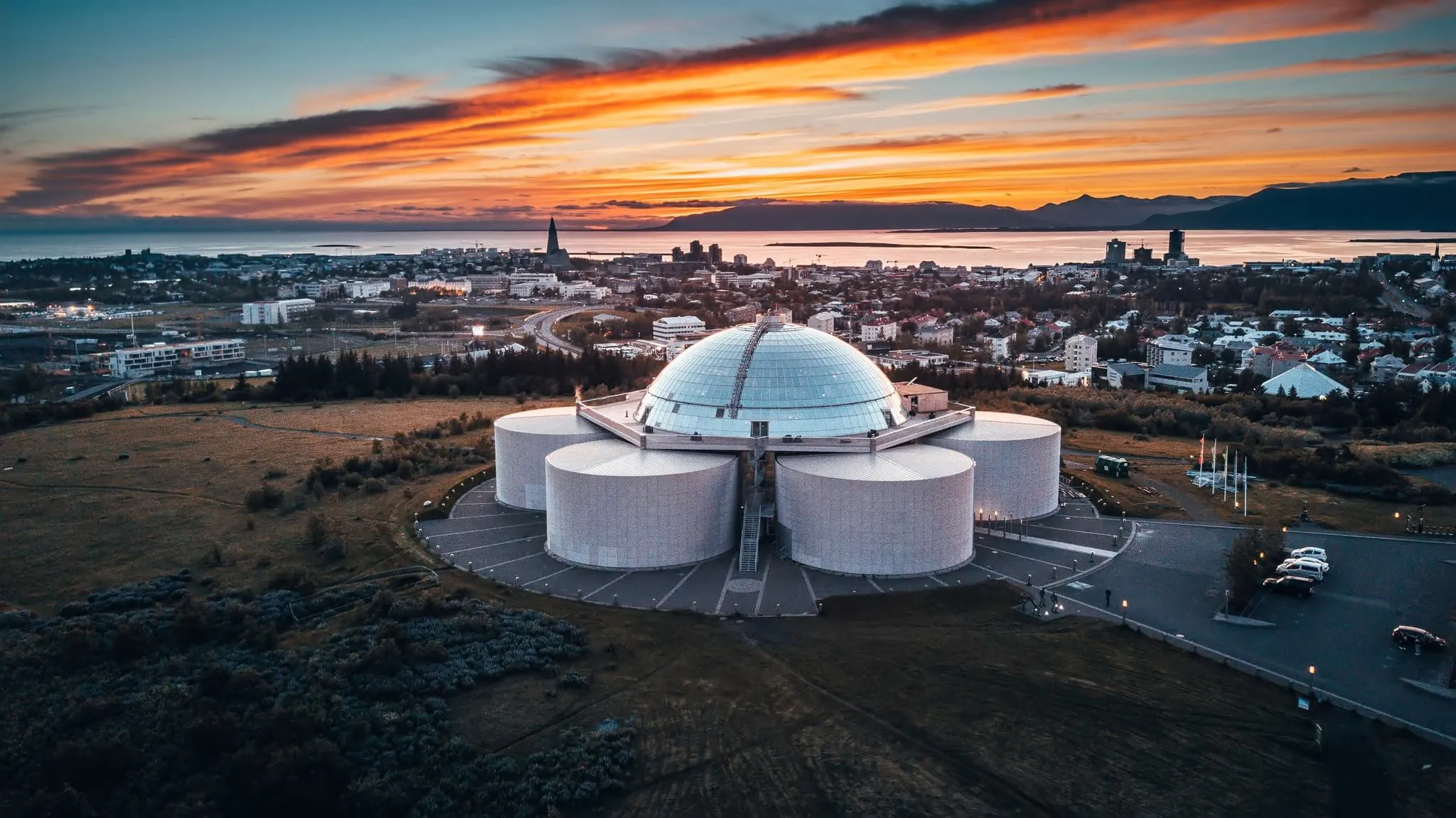
Iceland popularity has brought extraordinary opportunities and real pressures. Fragile ecosystems, sensitive shorelines, and weather-exposed paths can degrade quickly if visitation is unmanaged. Sites like Hvammsvik therefore carry a dual responsibility: offering a high-quality guest experience while reducing strain on surrounding nature. Timed entry, controlled circulation, and clear visitor guidance are part of this broader stewardship strategy.
For travelers, responsible behavior is simple but meaningful: stay on marked paths, follow local rules, respect quiet shared spaces, and avoid leaving waste or traces behind. These actions may feel small in the moment, yet multiplied across seasons they protect the very qualities people come to find here. In that way, a thoughtful visit does more than deliver personal relaxation; it helps sustain the landscape and cultural value of geothermal bathing for future guests and local communities alike.
Planning your visit with historical context in mind
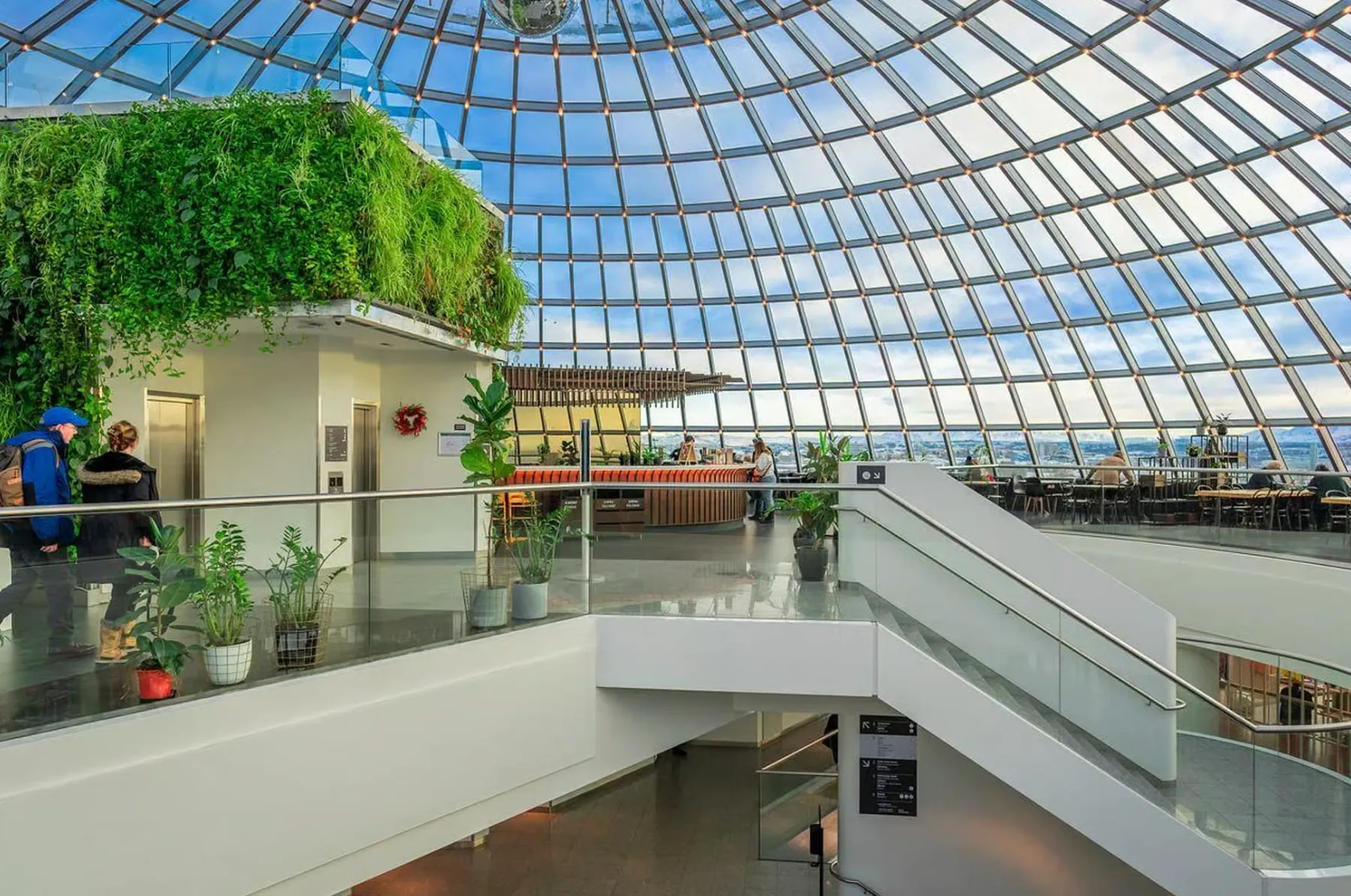
Understanding Hvammsvik background can make your visit richer and easier to plan. This is not a quick check-box attraction but a place where pacing matters. Choosing the right slot, allowing driving buffer, and preparing for weather changes can transform the day from rushed logistics into a coherent experience. If you can, avoid stacking too many fixed-time activities around your session and give yourself space to slow down.
It also helps to think seasonally. Summer offers long daylight and broad flexibility, while autumn and winter can deliver extraordinary atmosphere with lower light, stronger contrasts, and sometimes more dramatic conditions. Neither is objectively better; each offers a different interpretation of the same place. The best plan is the one aligned with your travel energy, comfort level with weather variability, and desire for either sociable buzz or quiet reflection.
Interesting facts visitors often miss
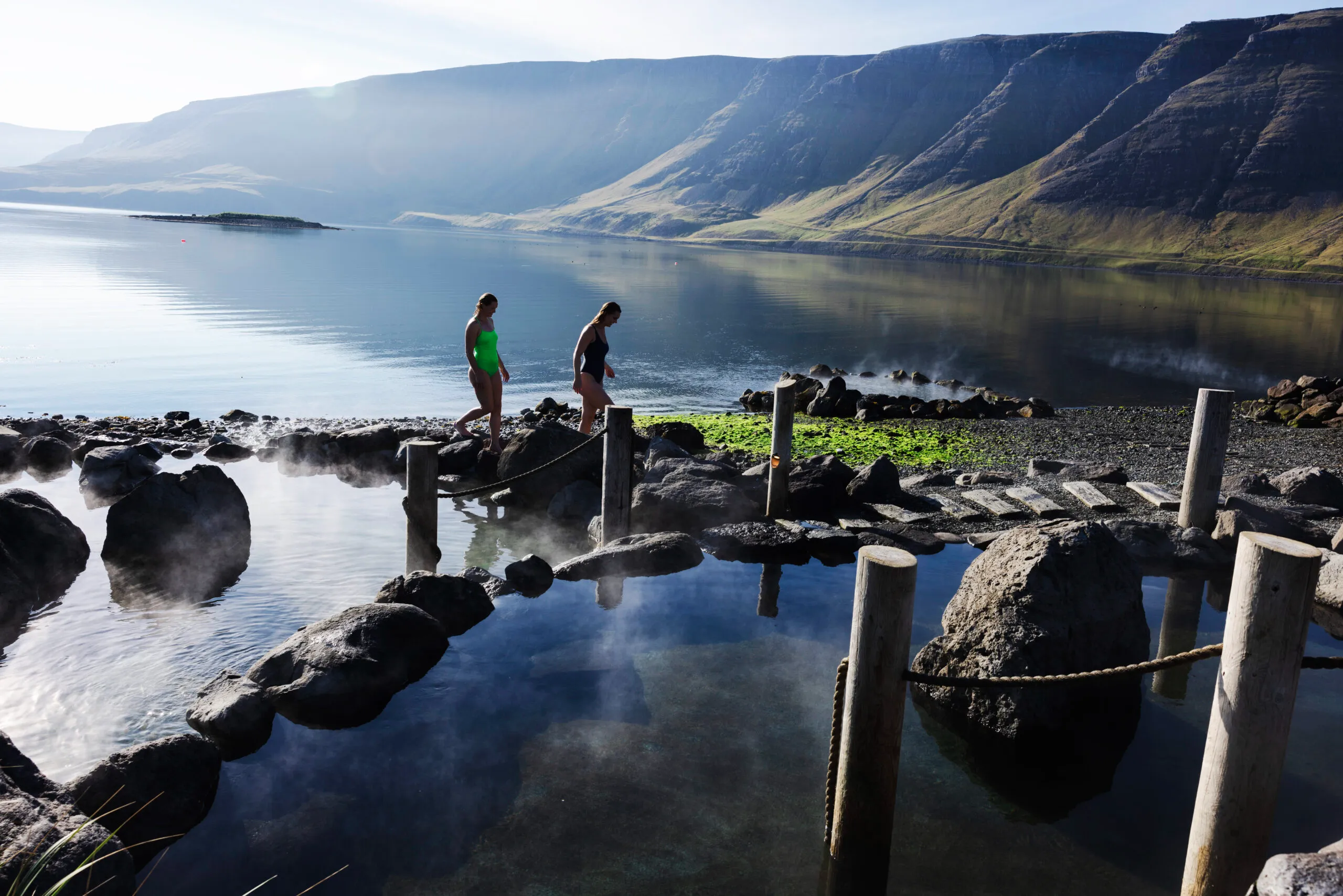
Many first-time visitors focus on the headline visuals, but several subtle details are easy to miss. One is how quickly sound changes across the site: near some pools you hear only light wind and water movement, while others capture more of the shoreline atmosphere. Another is visual texture in the water itself, where steam, temperature gradients, and reflected light create constantly shifting patterns that are difficult to photograph accurately but striking in person.
A second overlooked detail is psychological rather than physical: many guests report that time feels slower once they settle into the pool sequence. This is partly environmental, partly behavioral. Outdoor geothermal bathing reduces digital distraction and restores sensory attention to simple inputs like temperature, breath, and horizon. That reset effect is one reason Hvammsvik remains memorable long after the itinerary details fade, and why repeat visitors often prioritize experience quality over ticking off additional stops.
Seasonal moods: summer light and winter darkness
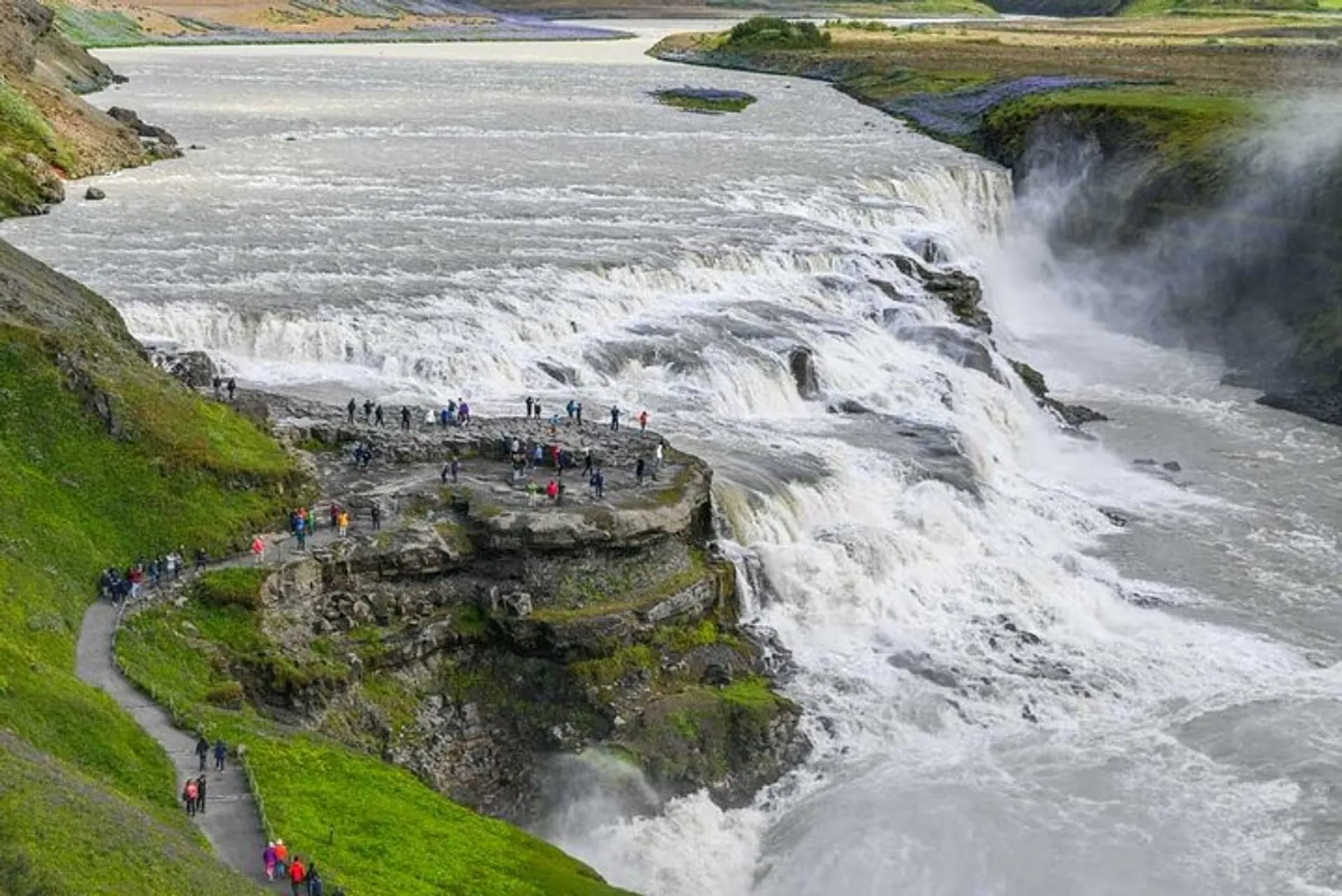
In summer, long daylight stretches the visit window and gives photographers and slow travelers generous flexibility. The landscape can feel expansive and open, with soft evening light lingering for hours and making late sessions particularly atmospheric. Shoulder seasons add richer color transitions, stronger weather drama, and often a quieter overall pace that many guests find ideal for a more contemplative experience.
Winter brings a different kind of magic: darker skies, colder air, and sharper contrast between body warmth and surrounding climate. On clear nights, some visitors are lucky enough to catch aurora activity in the region, though this can never be guaranteed. Even without northern lights, winter bathing at Hvammsvik can feel deeply cinematic, where steam, darkness, and distant mountain outlines combine into a calm, almost meditative environment.
Why Hvammsvik feels memorable long after you leave
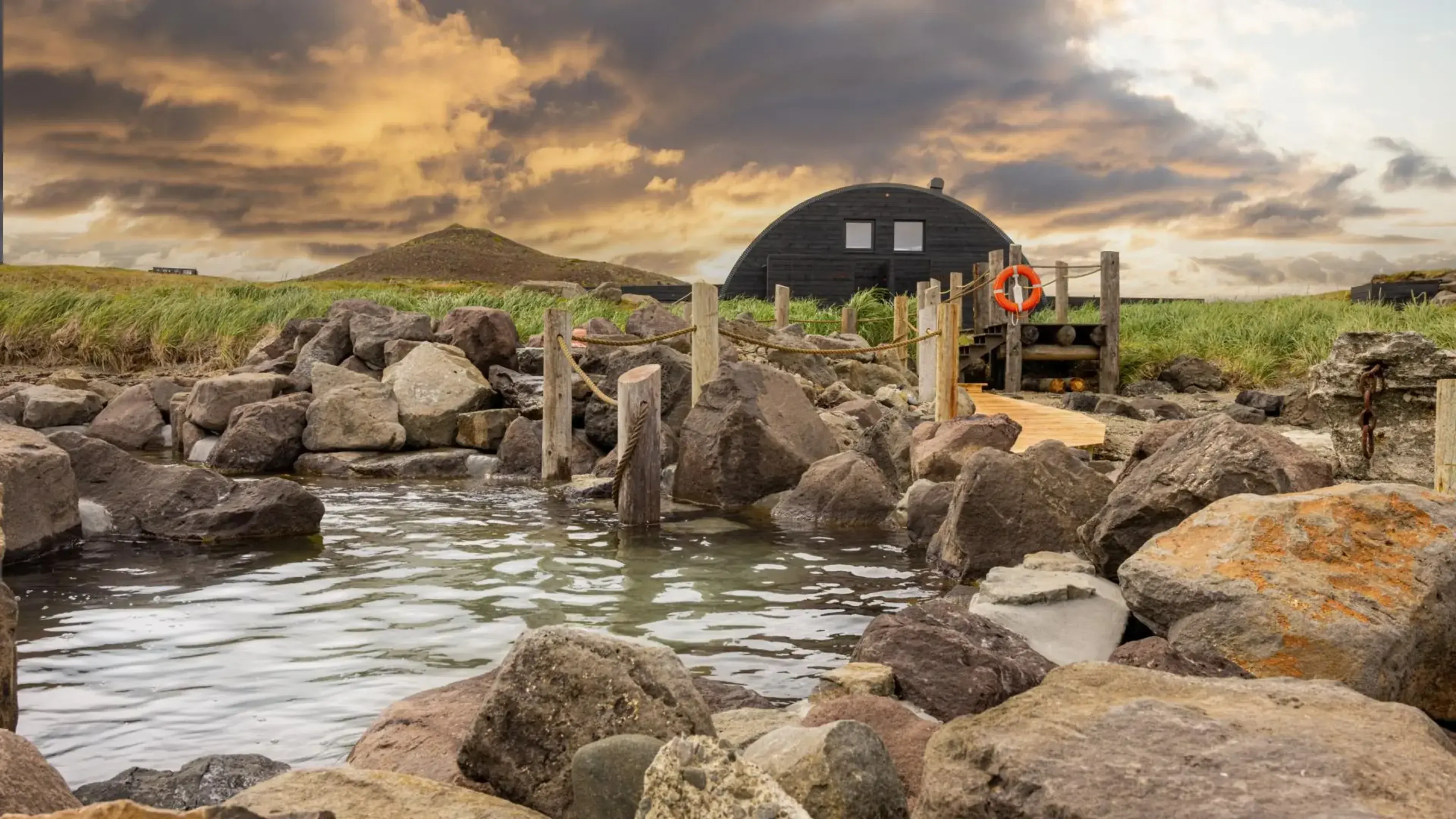
Some destinations impress immediately and then blur together over time. Hvammsvik tends to do the opposite. It may seem simple at first, warm pools, sea air, mountain views, but the layered interaction between geology, weather, design, and cultural context gives the memory unusual staying power. You remember not only what you saw, but how your body and attention shifted while you were there.
That after-effect is perhaps the clearest sign of what makes Hvammsvik special. It does not rely on spectacle alone; it offers a grounded experience where landscape and human pace come back into alignment. Days or even weeks later, travelers often recall very specific moments, a change in wind, a quiet pause between pools, the look of light across the fjord, and realize the visit was less about checking off an attraction and more about participating in an Icelandic relationship with nature that is both old and very much alive.
Table of Contents
How Iceland created geothermal bathing
Long before Hvammsvik became a well-known destination, the story began deep beneath Iceland itself. The island sits on an active volcanic boundary where tectonic plates move apart, allowing heat from the earth interior to rise unusually close to the surface. That geothermal energy travels through rock layers and groundwater systems, eventually emerging as warm springs, steam fields, and naturally heated pools in different parts of the country. For centuries, Icelanders learned to read these thermal signs in the landscape, using hot water not only for comfort, but for washing, cooking, and community routines in places where winter could be harsh and daylight scarce.
In that sense, bathing in geothermal water in Iceland has never been only about luxury. It has always combined practicality, social connection, and survival in a demanding climate. Hvammsvik belongs to this larger geological and cultural timeline: a place where ancient volcanic forces still shape modern everyday experiences. When visitors step into the pools today, they are entering water warmed by processes measured not in years or decades, but in deep earth time, where natural systems quietly continue their work beneath mountains and fjord.
Hvalfjordur: the fjord setting of Hvammsvik
Hvammsvik sits in Hvalfjordur, a dramatic inlet whose name is often translated as Whale Fjord. The area carries a striking blend of steep mountain walls, coastal flats, and weather that can shift from bright stillness to mist and wind within a short span of time. Historically, fjords like this shaped travel routes, fishing patterns, and settlement choices, because they offered sheltered waters, access points, and fertile pockets for farms compared with harsher inland zones.
Today, Hvalfjordur still feels both accessible and remote, which is a big part of Hvammsvik appeal. You are close enough to Reykjavik for a day visit, yet once you arrive, the mood changes quickly into something quieter and more elemental. The surrounding topography acts almost like a natural amphitheater for weather, light, and sound, so every visit feels distinct. On some days the horizon opens in crisp detail; on others the fjord softens into layered gray tones that make the warm pools feel even more intimate.
Farm life, shoreline routines, and early settlement
Before geothermal bathing became a travel highlight, this coastline was shaped by ordinary work: seasonal farming, shoreline gathering, fishing, and careful management of resources through long winters. Early Icelandic settlement patterns often followed practical logic, and areas with access to fresh water, grazing land, and sheltered coastal terrain had obvious advantages. Families built routines around weather windows, tides, and communal labor, and local knowledge was passed down through observation rather than formal instruction.
That practical relationship with land and water still echoes at Hvammsvik, even in a contemporary setting. The paths, structures, and bathing areas are modern in function, but the wider environment still communicates the same old lesson: in Iceland, nature sets the terms, and people adapt with respect and ingenuity. Visitors who slow down and look beyond the pools often sense this continuity between past and present, where heritage is not displayed as a museum exhibit, but embedded in the terrain itself.
The cultural meaning of hot-water bathing
Geothermal bathing in Iceland has long held social value beyond physical warmth. Pools and hot pots became places to exchange news, discuss local issues, and spend time across generations. In many communities, conversations that felt formal in other settings became easier in warm water, where everyone sat at the same level and daily hierarchy softened. This tradition helped turn bathing spaces into informal civic rooms, where community bonds were maintained through routine presence rather than scheduled events.
Hvammsvik expresses a contemporary version of that tradition. Even when visitors come from different countries and itineraries, they often settle into the same unspoken rhythm: quieter voices, longer pauses, and a shared appreciation for the environment. The experience can feel personal and reflective, but also gently communal. You might arrive focused on photography or itinerary efficiency and leave remembering a simple exchange with strangers in steam and sea air, the kind of small human moment Icelandic bathing culture has encouraged for generations.
From hidden site to curated destination
Like many remarkable places in Iceland, Hvammsvik was not always known internationally. For years, much of the appreciation for the area remained local or limited to those who explored the fjord with curiosity and good timing. As interest in Iceland travel expanded, so did the challenge of opening unique sites in a way that preserved character rather than replacing it with generic infrastructure. The transformation into a visitor-ready destination required careful decisions about access, facilities, and capacity.
What makes Hvammsvik notable is that its development aimed to keep the landscape as protagonist. Instead of forcing a heavily urban spa aesthetic into a wild coastal setting, the design leans into materials, pathways, and pool placement that echo the terrain. This approach does not eliminate all modern intervention, of course, but it does create a stronger sense that you are entering a place with its own identity rather than a template copied from elsewhere. That balance is a key reason many guests describe the site as both polished and authentic.
Designing pools with the landscape, not against it
At Hvammsvik, pool design is part of storytelling. Water temperatures vary across the site, and transitions between pools are intentional, encouraging movement, sensory contrast, and attention to the surrounding fjord. The physical layout supports different moods, from social corners to quieter edges where guests can sit almost motionless and watch weather patterns roll across the water. This diversity helps each visitor compose a personal sequence rather than follow a single prescribed route.
Architecturally, the most successful moments are often the least flashy: low-profile forms, textures that sit naturally in the terrain, and sightlines that prioritize mountains and sea over decorative spectacle. In practical terms, this also means coping with real outdoor conditions, including rain, wind, and temperature swings. The design does not try to erase Iceland climate; it frames it. As a result, even a short visit can feel immersive, because the environment is not background decoration but an active part of the experience.
Tides, weather, and ever-changing bathing conditions
One of Hvammsvik most distinctive characteristics is variability. Because the site is connected to a coastal environment, conditions can feel different from one session to the next. Temperature perception, steam intensity, and atmosphere are shaped by factors like wind direction, air temperature, humidity, and tidal movement nearby. For visitors used to static indoor spas, this dynamic quality can be surprising at first, then deeply compelling.
This constant change is not a flaw; it is part of the destination identity. Returning visitors often say no two visits feel exactly the same, even when they choose the same time slot. A calm bright evening might highlight fjord reflections and long lines of light, while a colder moody day amplifies contrast between warm water and brisk air. In both cases, the experience remains rooted in one core idea: geothermal bathing as a living interaction with nature rather than a controlled simulation of it.
Wellness traditions and modern Nordic spa culture
In recent decades, global interest in Nordic wellness has grown quickly, and Iceland geothermal culture has become a central reference point. Yet Icelandic bathing traditions predate modern wellness branding by a long margin. Historically, hot water meant resilience, hygiene, and community continuity through dark and cold seasons. What modern travelers now call mindfulness, contrast therapy, or digital detox often overlaps with habits Icelanders built out of practicality and place-based knowledge.
Hvammsvik connects these layers elegantly. You can approach it as a premium wellness stop, a landscape-focused excursion, or a restorative pause in a road-trip itinerary, and all those interpretations fit. The experience supports slow attention: to breath, temperature, light, and body sensation. For many guests, the most meaningful effect is not dramatic but cumulative, a gradual unwinding that continues after departure and subtly changes the tempo of the rest of their Iceland journey.
Nature stewardship and responsible visitation
Iceland popularity has brought extraordinary opportunities and real pressures. Fragile ecosystems, sensitive shorelines, and weather-exposed paths can degrade quickly if visitation is unmanaged. Sites like Hvammsvik therefore carry a dual responsibility: offering a high-quality guest experience while reducing strain on surrounding nature. Timed entry, controlled circulation, and clear visitor guidance are part of this broader stewardship strategy.
For travelers, responsible behavior is simple but meaningful: stay on marked paths, follow local rules, respect quiet shared spaces, and avoid leaving waste or traces behind. These actions may feel small in the moment, yet multiplied across seasons they protect the very qualities people come to find here. In that way, a thoughtful visit does more than deliver personal relaxation; it helps sustain the landscape and cultural value of geothermal bathing for future guests and local communities alike.
Planning your visit with historical context in mind
Understanding Hvammsvik background can make your visit richer and easier to plan. This is not a quick check-box attraction but a place where pacing matters. Choosing the right slot, allowing driving buffer, and preparing for weather changes can transform the day from rushed logistics into a coherent experience. If you can, avoid stacking too many fixed-time activities around your session and give yourself space to slow down.
It also helps to think seasonally. Summer offers long daylight and broad flexibility, while autumn and winter can deliver extraordinary atmosphere with lower light, stronger contrasts, and sometimes more dramatic conditions. Neither is objectively better; each offers a different interpretation of the same place. The best plan is the one aligned with your travel energy, comfort level with weather variability, and desire for either sociable buzz or quiet reflection.
Interesting facts visitors often miss
Many first-time visitors focus on the headline visuals, but several subtle details are easy to miss. One is how quickly sound changes across the site: near some pools you hear only light wind and water movement, while others capture more of the shoreline atmosphere. Another is visual texture in the water itself, where steam, temperature gradients, and reflected light create constantly shifting patterns that are difficult to photograph accurately but striking in person.
A second overlooked detail is psychological rather than physical: many guests report that time feels slower once they settle into the pool sequence. This is partly environmental, partly behavioral. Outdoor geothermal bathing reduces digital distraction and restores sensory attention to simple inputs like temperature, breath, and horizon. That reset effect is one reason Hvammsvik remains memorable long after the itinerary details fade, and why repeat visitors often prioritize experience quality over ticking off additional stops.
Seasonal moods: summer light and winter darkness
In summer, long daylight stretches the visit window and gives photographers and slow travelers generous flexibility. The landscape can feel expansive and open, with soft evening light lingering for hours and making late sessions particularly atmospheric. Shoulder seasons add richer color transitions, stronger weather drama, and often a quieter overall pace that many guests find ideal for a more contemplative experience.
Winter brings a different kind of magic: darker skies, colder air, and sharper contrast between body warmth and surrounding climate. On clear nights, some visitors are lucky enough to catch aurora activity in the region, though this can never be guaranteed. Even without northern lights, winter bathing at Hvammsvik can feel deeply cinematic, where steam, darkness, and distant mountain outlines combine into a calm, almost meditative environment.
Why Hvammsvik feels memorable long after you leave
Some destinations impress immediately and then blur together over time. Hvammsvik tends to do the opposite. It may seem simple at first, warm pools, sea air, mountain views, but the layered interaction between geology, weather, design, and cultural context gives the memory unusual staying power. You remember not only what you saw, but how your body and attention shifted while you were there.
That after-effect is perhaps the clearest sign of what makes Hvammsvik special. It does not rely on spectacle alone; it offers a grounded experience where landscape and human pace come back into alignment. Days or even weeks later, travelers often recall very specific moments, a change in wind, a quiet pause between pools, the look of light across the fjord, and realize the visit was less about checking off an attraction and more about participating in an Icelandic relationship with nature that is both old and very much alive.